High-speed textile production depends on components that provide stability, enable consistent material handling, and perform reliably through continuous mechanical motion. Bobbins serve a key function by holding and managing yarn during winding, twisting, and other manufacturing processes. As machine speeds rise, bobbin design becomes increasingly important. Double-flange bobbins are well suited to these conditions because their construction helps keep yarn contained and the package stable as it rotates. Their design enables controlled winding while helping address vibration, yarn displacement, and repeated mechanical strain. Understanding their function helps textile manufacturers choose suitable bobbins for high-speed equipment.
Understanding double flange bobbins
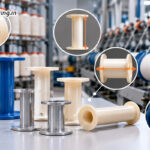
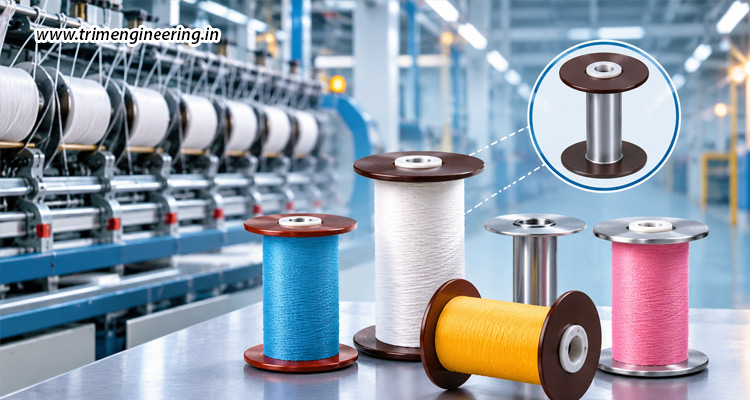
Double-flange bobbins are cylindrical winding components consisting of a central barrel and a flange at each end. Yarn or other continuous materials are wound around the barrel, while the flanges confine the resulting package to a defined space. This configuration promotes orderly storage and helps keep yarn within the intended winding area. The flange structure also provides physical support to the wound material, helping maintain package positioning during rotation and reducing the likelihood of unwanted lateral movement. A bobbin’s performance is influenced by its barrel dimensions, flange diameter, overall length, and mounting configuration. These features must match the machinery’s specifications and the material being processed. In high-speed textile applications, even minor differences in dimensions or balance can affect operational consistency, so selecting an appropriate bobbin design is essential.
Why high-speed textile operations need specialized bobbins
High-speed textile machinery operates in demanding mechanical environments. Components rotate continuously, yarn passes through several processing stages, and production systems must deliver consistent output with minimal interruptions. In these conditions, bobbins need to endure repeated rotation while retaining their structural integrity. A bobbin that works well at lower speeds may be less consistent under more demanding operating conditions. Imbalanced rotation, unsuitable dimensions, or insufficient structural strength can cause vibration, irregular winding, and premature wear. These problems can affect both yarn handling and production efficiency. Double-flange bobbins meet several of these requirements through their winding design. Their structure helps contain the yarn package, promote controlled rotation, and define a winding area for continuous textile operations.
How double-flange design promotes stable winding and consistent yarn packages
Stable winding is vital in high-speed textile operations, where yarn must stay in position as it builds up around a rotating bobbin. The two flanges form boundaries at each end of the barrel, helping keep the wound yarn within the designated area. This containment supports controlled material movement and reduces the risk of yarn shifting during rotation. Flange dimensions and barrel geometry also affect the consistency of yarn layers across the winding surface. When suited to the yarn type, package size, and machine requirements, these dimensions help create an orderly winding structure. Consistent package formation also supports dependable yarn delivery in later processing stages. However, these outcomes also depend on winding tension, traverse motion, yarn properties, and machine calibration. A properly designed double flange bobbin complements these operating factors, helping maintain stable winding, contain yarn effectively, and form consistent packages at higher speeds.
How rotational balance supports reliable high-speed performance
Rotational balance has a direct impact on bobbin performance in high-speed textile machinery. As a bobbin rotates, its mass needs to be evenly distributed around the rotational axis. Uneven distribution can generate centrifugal forces, leading to vibration, noise, and increased mechanical stress. At higher speeds, even small imbalances can have a greater effect. They can disrupt smooth rotation and place additional loads on machine components such as spindles, bearings, and mounting assemblies. For this reason, double flange bobbins require careful control of dimensions and manufacturing consistency. The flanges must be properly aligned, and the barrel and mounting features must preserve the intended geometry. Precise manufacturing and appropriate quality inspections help minimize imbalance-related problems and promote smoother operation.
Why material selection matters for high-speed bobbin performance
The material used to manufacture a double flange bobbin influences its strength, weight, dimensional stability, and wear resistance. In high-speed textile operations, bobbins rotate continuously, so the chosen material must deliver adequate structural performance without adding unnecessary weight or undermining operating requirements. Engineering plastics are often considered when applications call for low weight, consistent dimensions, and resilience to repeated handling. Depending on the operating conditions, nylon and other industrial polymers may provide suitable properties. Metal may be a better option when an application requires greater strength, rigidity, or performance under specific operating conditions. Material selection should account for rotational speed, yarn characteristics, the operating environment, and machine compatibility. Even with correct dimensions, an unsuitable material can reduce durability and hinder consistent operation.
Why lightweight construction matters in high-speed textile operations
Bobbin weight is especially relevant in machinery that accelerates and decelerates frequently or runs in continuous rotation. Heavier components can place greater demands on the drive system during acceleration, and their rotational properties may affect overall machine behaviour. For suitable applications, lightweight double flange bobbins can reduce rotating mass. This can support smoother acceleration and lessen the mechanical load from rotating components. A lighter design may also make bobbins easier for operators to handle and replace regularly. It can also support more convenient component handling during routine production changes and bobbin replacement activities. Weight reduction, however, must not compromise structural strength. A bobbin needs adequate rigidity to withstand rotational forces, winding tension, and repeated use. Material choice and structural design must therefore balance low weight with mechanical reliability.
How dimensional accuracy ensures compatibility with high-speed machinery
Double flange bobbins must meet the dimensional and mounting specifications of the machinery in which they are used. Variations in barrel diameter, flange diameter, overall length, bore size, or mounting configuration can influence fit and operating performance. In high-speed applications, dimensional differences may lead to misalignment, unstable rotation, or installation challenges. Even small deviations can matter when components are subjected to continuous mechanical movement. Manufacturers should review machine specifications before choosing or ordering bobbins. Precise measurements and appropriate tolerances help ensure compatibility with the equipment. Mounting features must also suit the spindle or holder configuration to enable secure installation and consistent rotation. Proper dimensional control also helps maintain alignment during extended production cycles, reducing unnecessary mechanical stress and supporting dependable bobbin performance across different textile applications.
Selecting the right double flange bobbin for high-speed operations
Choosing the right double flange bobbin requires assessing actual operating conditions, not just standard dimensions. Manufacturers should take into account the machine model, target rotational speed, yarn properties, winding capacity, and mounting requirements. Material choice should suit anticipated mechanical loads and environmental conditions. Flange dimensions need to contain the package effectively, while the barrel geometry should meet winding-capacity needs. Weight distribution and manufacturing tolerances also contribute to rotational stability. Specialized machinery may require custom bobbins to meet specific dimensional and operating requirements. Collaborating with an experienced manufacturer can help align design specifications, material properties, and production needs. This can improve component compatibility and support more reliable performance. For application-specific requirements, Trim Engineering serves as a DOUBLE FLANGE BOBBIN manufacturer in India, offering bobbin solutions designed to meet diverse textile machinery requirements.
Double-flange bobbins are essential to high-speed textile operations, helping control winding, contain yarn, and maintain stable material handling. Their performance is shaped by several related factors, including structural design, material choice, dimensional precision, rotational balance, and surface quality. When these features align with machine requirements, bobbins support consistent package formation and dependable production. Choosing the right bobbin also requires careful consideration of the textile process’s specific needs. Accurate specifications, precise manufacturing, and routine maintenance help these components perform reliably during continuous industrial use, while minimizing operational disruptions and supporting consistent output across demanding textile production environments.