In industrial embroidery, precision is paramount. Whether crafting intricate logos, detailed patterns, or producing high-volume textile designs, the uniformity of each stitch dictates the final result. Although significant focus is often placed on needles, threads, and digitizing methods, one element quietly serves a crucial role in achieving impeccable embroidery – the bobbin. In Allidhra embroidery machines, recognized for their efficiency and multi-head capabilities, the bobbin is not merely a supporting component; it is vital to stitch formation, thread balance, and overall machine functionality. Grasping how bobbins operate and their significance for stitch quality can greatly enhance both productivity and output consistency.
How bobbins operate in stitch formation
To appreciate the significance of bobbins, it is crucial to understand the fundamental mechanism of stitch formation. When the needle, which carries the upper thread, penetrates the fabric, it creates a loop on the underside. The bobbin thread is then interlocked with this loop via the rotary hook mechanism. This interaction produces what is referred to as a lockstitch, the most prevalent and durable stitch utilized in embroidery. The process consists of three essential steps:
- Loop creation – The needle descends and ascends, forming a loop of the upper thread.
- Thread interlocking – The hook captures this loop and pulls it around the bobbin thread.
- Tension tightening – Both threads are tightened to securely lock the stitch within the fabric.
The bobbin thread must be delivered smoothly and at the appropriate tension throughout this process. Any inconsistency directly impacts how the stitch is formed, resulting in visible defects.
Why bobbins are critical for stitch quality
Bobbins play a crucial role in determining stitch quality by maintaining proper thread tension and balance, ensuring smooth interlocking of threads, and directly influencing the consistency, durability, and overall finish of embroidery designs.
- Thread tension balance
One of the key elements in embroidery is ensuring the correct balance between the upper and bobbin threads. If the bobbin tension is excessively tight, it can pull the upper thread underneath, leading to uneven stitching. Conversely, if the tension is too loose, it may result in loops and slack on the fabric’s surface. In Allidhra machines, achieving an accurate tension balance is vital, as even slight discrepancies can become very noticeable in large-scale or multi-head operations.
- Stitch consistency across designs
Embroidery designs frequently feature different stitch densities, directions, and patterns. The bobbin must adjust effortlessly to these changes without interrupting the flow of the thread. A properly functioning bobbin guarantees a uniform stitch appearance, smooth transitions between design elements, and consistent thread interlocking. Without this level of consistency, designs can look patchy or uneven, particularly in intricate or high-density embroidery.
- Prevention of thread breakage
Thread breakage is a frequent challenge in embroidery production, often resulting in downtime and wasted materials. Incorrect bobbin tension or low-quality bobbins can heighten friction, leading to thread snapping. High-quality bobbins used in Allidhra machines help to minimize friction within the bobbin case, ensure steady thread release, and reduce interruptions during operation.
- Impact on machine efficiency
In industrial environments, efficiency is closely linked to output and profitability. A malfunctioning bobbin can lead to frequent halts, re-threading, and quality inspections. In contrast, a correctly adjusted bobbin system facilitates uninterrupted machine operation, decreases maintenance time, and boosts production speed.
- Clean and professional finish
The underside of embroidery is equally important as the visible side, particularly in high-end textile applications. Bobbins ensure that stitches are securely locked, preventing unravelling and ensuring durability. A well-balanced bobbin plays a crucial role in achieving neat stitch backs, strong fabric hold, and long-lasting embroidery quality.
Types of bobbins used in Allidhra machines
Understanding the different types of bobbins utilized in Allidhra machines is essential for choosing the appropriate option that ensures consistent performance, efficiency, and superior embroidery results. The common types include:
- Pre-wound bobbins
These bobbins are pre-filled with thread and ready for immediate use, providing consistent tension, shorter setup times, fewer handling mistakes, and enhanced efficiency in high-speed, large-scale embroidery tasks.
- Self-wound bobbins
These bobbins are wound manually using a bobbin winder, which allows for flexibility in thread selection, better cost management, customization for specific needs, and suitability for businesses with varied embroidery demands.
- Plastic and metal bobbins
Plastic bobbins are lightweight and help reduce machine wear, whereas metal bobbins provide greater durability and stability. The best choice depends on machine compatibility, usage intensity, and overall production requirements.
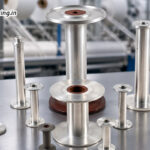
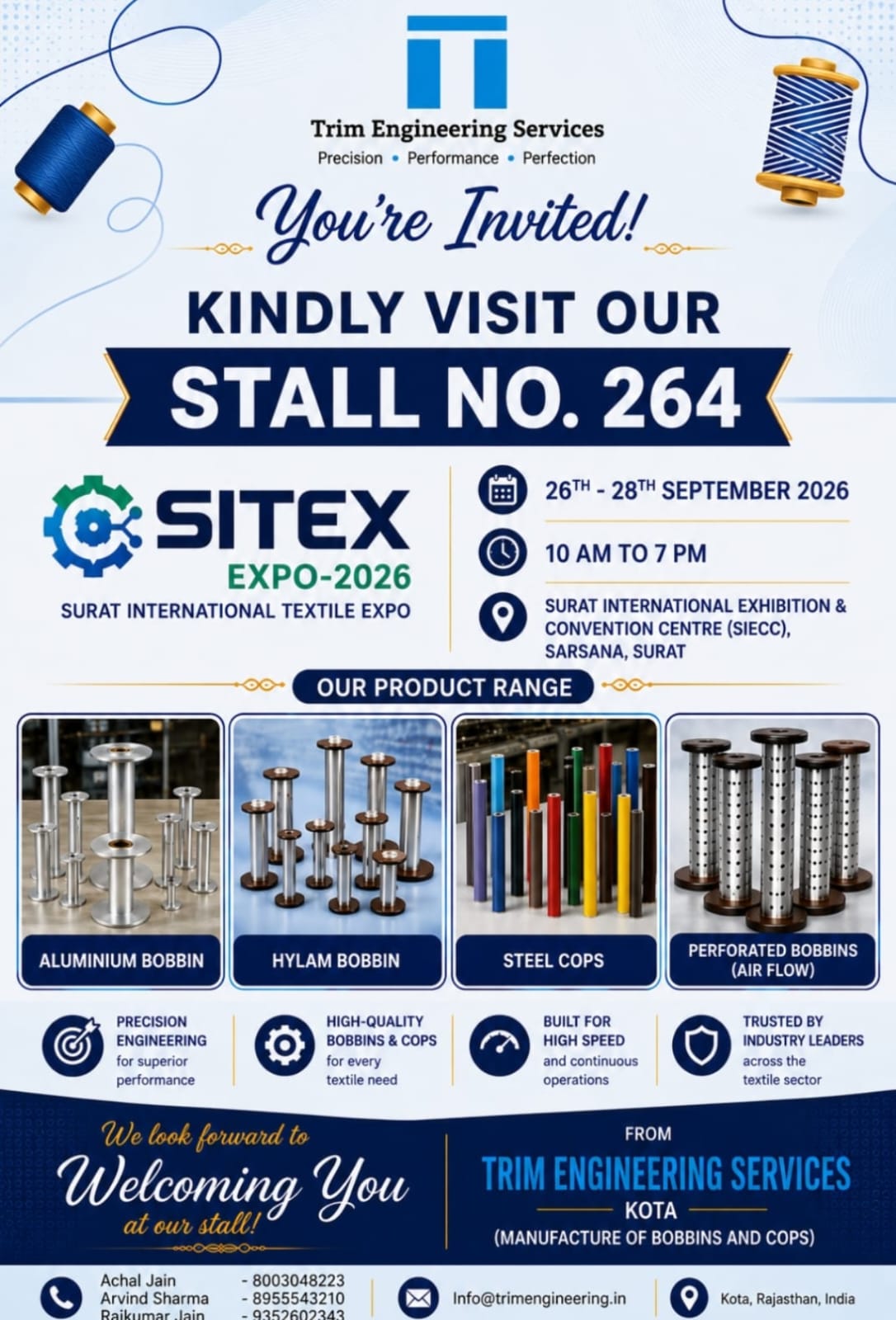
When selecting high-quality bobbins for consistent performance, choosing a reliable manufacturer is essential. Trim Engineering, as a trusted ALLIDHRA MACHINE BOBBIN manufacturer in India, offers precision-engineered bobbins designed for smooth thread flow and optimal stitch quality.
Choosing the right bobbin type
Select bobbins specifically crafted for Allidhra machines to guarantee a proper fit and seamless operation, thereby avoiding complications such as thread jamming, inconsistent stitching, and unnecessary machine interruptions during production.
- Prioritize quality materials
Bobbins of high quality made from robust materials ensure a steady thread release, minimize friction, and lessen the likelihood of thread breakage, which helps maintain uniform stitch quality across various embroidery designs.
- Match bobbin with thread requirements
Always ensure that the bobbin type and thread correspond with your fabric and design specifications, as mismatched combinations can result in poor tension balance, uneven stitches, and compromised embroidery outcomes.
- Maintain proper tension
Regularly inspect and adjust the bobbin tension to align with the upper thread, ensuring balanced stitch formation, preventing looping or puckering, and preserving a clean, professional embroidery finish.
- Replace worn-out bobbins
Bobbins that are overused or damaged can lead to irregular thread flow and stitching flaws, making timely replacement crucial for maintaining machine efficiency, reducing downtime, and ensuring consistent embroidery output.
- Keep the bobbin area clean
Regularly clear lint, dust, and thread remnants from the bobbin case to prevent friction, enhance thread movement, and support uninterrupted machine performance during extended embroidery sessions.
- Focus on selection for better output
Selecting the appropriate bobbin is vital, as it directly influences stitch accuracy, machine stability, and overall productivity, particularly in high-volume embroidery settings where consistency is paramount.
In the realm of industrial embroidery, achieving accuracy and uniformity necessitates careful consideration of every machine component—and the bobbin is no exception. In Allidhra embroidery machines, bobbins are essential for stitch creation, thread equilibrium, and overall functionality. By maintaining appropriate tension and facilitating smooth thread movement, the bobbin serves as the foundation of stitch excellence. Neglecting its significance can result in flaws, operational delays, and heightened costs. By comprehending the operation of bobbins and applying best practices in their utilization, both operators and manufacturers can greatly improve embroidery quality, boost efficiency, and guarantee durable outcomes. Ultimately, the distinction between mediocre and outstanding embroidery frequently resides in the finer points—and the bobbin is one such detail that must never be disregarded.