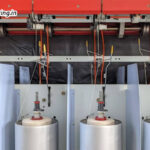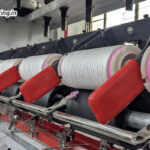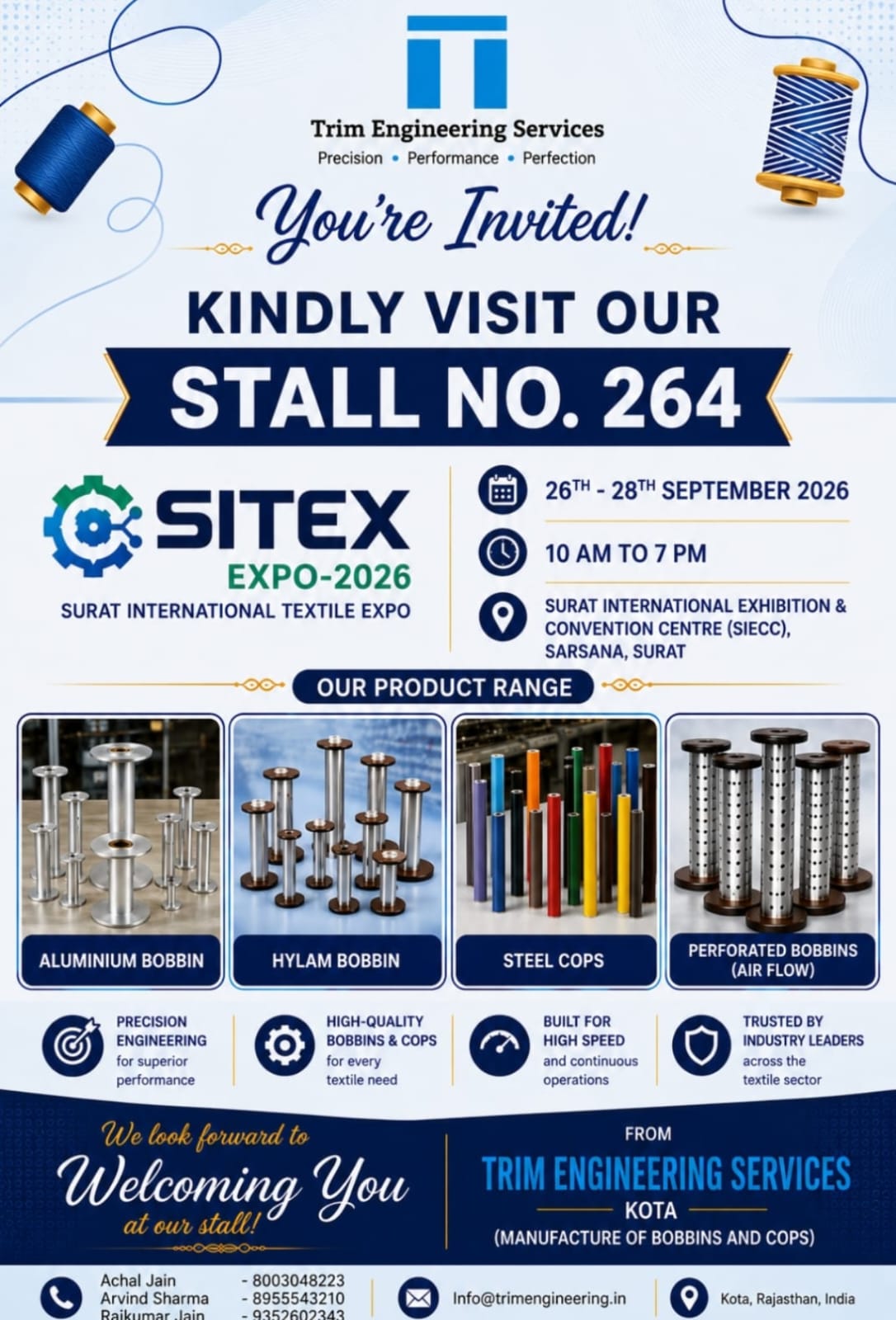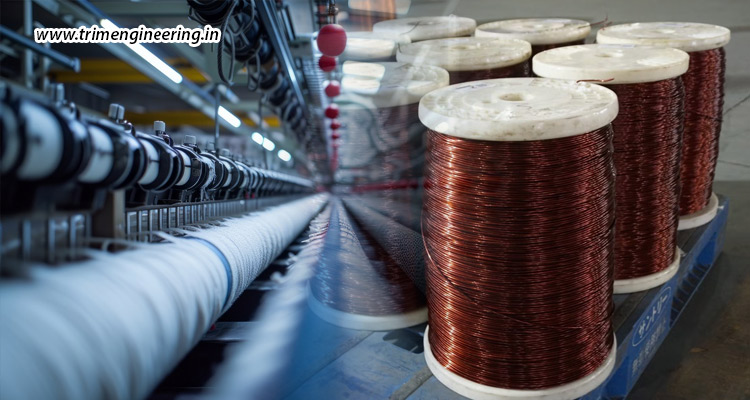
In textile production, even slight inconsistencies in bobbins can reduce production efficiency and yarn quality. To ensure proper compatibility, dimensions such as barrel diameter, flange size, bore diameter, and length must be accurately measured according to machine specifications. Material selection is also important, as strength, weight, and durability affect high-speed performance. Incompatible bobbins can cause vibration, uneven winding, and thread breakage, leading to downtime and increased costs. This is particularly important in operations such as twisting, doubling, cable manufacturing and cable handling. Ensuring precise adjustments, regular inspections and, where necessary, custom bobbin design helps maintain trouble-free operation and consistent product quality.
Understanding bobbin compatibility in textile machinery
Bobbin compatibility refers to the ability of a bobbin to fit perfectly on a machine spindle and perform reliably under operational conditions. A compatible bobbin ensures:
- Smooth rotation without wobbling
- Consistent yarn tension during unwinding
- Minimal vibration at high speeds
- Reduced wear on machine components
Different textile machines require bobbins with specific dimensions, shapes, and material properties. Industrial bobbins are used in a wide variety of applications, but because each application has unique requirements, a single spooling method rarely works, making compatibility a key factor in machine efficiency.
Why precise fit matters
Even small deviations in bobbin dimensions can cause serious operational problems.
- Machine vibration: If the bobbin is not firmly fixed on the spindle, it may wobble during rotation and cause vibrations, which can affect both machine performance and thread quality.
- Uneven thread tension: An incorrectly sized or shaped bobbin can prevent the wire from unwinding, leading to unstable tension and potential defects in the final product.
- Increased wear and tear: Improperly aligned bobbins can accelerate wear on spindles, bearings, and other machine components.
- Production downtime: Frequent wire breaks, machine downtime, and maintenance issues can significantly reduce productivity.
As industry guidelines suggest, using the wrong bobbin can even lead to machine damage or malfunction, highlighting the importance of choosing the correct type.
Key indicators of bobbin compatibility
Ensuring a precise fit starts with accurate measurements. The following dimensions are important when selecting or designing a bobbin:
- Inner diameter
This central hole of the bobbin must match the pin size exactly. If you tighten it too much, it will be difficult to install, and if you loosen it too much, it will wobble when you use it.
- Outer diameter
This is the full width of the bobbin. This affects how much thread it can hold and how fast it can spin without causing imbalance or interference with the machine.
- Bobbin length
The length determines the wire capacity and must fit within the machine space. Too long or too short can interfere with thread alignment, tension, and proper operation of the sewing machine.
- Flange diameter and thickness
The flange is the side plate that holds the wire in place. A larger flange provides better control of the wire, and the thickness provides strength and prevents damage during high-speed operation.
- Weight and balance
Bobbins must be evenly balanced. Uneven weight distribution can cause vibration, noise and machine wear, which affects productivity and significantly reduces overall production efficiency.
Selection of bobbins according to machine specifications
Once the measurements have been made, the next step is to match the bobbin characteristics to the machine requirements.
- Machine type compatibility
Different textile machines require special bobbin designs to ensure smooth operation. TFO machines require a balanced bobbin with a smooth surface to ensure steady thread flow. Rope machines require strong and durable bobbins that can handle heavy loads without deforming. Twister uses precise bobbin dimensions to ensure uniform tension on the wire throughout the process. Braiding machines typically use compact and lightweight bobbins, allowing for fast and efficient operation. Manufacturers often design bobbins specifically for machines such as Galan, Hamel, Barmag, Ratti, and Sauler Allma to ensure proper compatibility and performance.
- Wire compatibility
The type of wire being processed plays an important role in choosing the appropriate bobbin. Thin wire requires a smooth bobbin surface to prevent damage and chafing. Heavy rope wire requires a strong, high-strength bobbin that can withstand the weight. Synthetic fibres are often best paired with lightweight materials such as nylon, which reduce the overall load. High voltage wires require hard materials such as phenolic resin or metal to maintain stability during operation. A bobbin design tailored to the characteristics of the yarn ensures stable quality and production efficiency.
Types of bobbins and their compatibility features
A wide variety of bobbins are available to meet different machine and wire requirements.
- Flange bobbins
The flange bobbin has a raised edge to prevent the line from slipping while working. Common in twisting and twisting machines, they are available in nylon, phenolic, and aluminium, offering varying levels of strength, durability, and weight.
- Double flange bobbins
Double flange bobbins have raised edges on both sides for better thread retention. They are ideal for high-speed operations and handling heavy wire bobbins, providing increased stability, minimizing wire slippage, and maintaining consistent performance in harsh environments.
- Perforated bobbins
Perforated bobbins have holes along the body, reducing overall weight and improving airflow. This improves heat dissipation and is suitable for high-speed textile processes where temperature control and weight reduction are key factors.
- Metal and aluminium bobbins
Metal bobbins, especially aluminium bobbins, are known for their strength, durability, wear resistance, and corrosion resistance. They are widely used in harsh applications such as cable stranding and cable manufacturing where reliability and long life are essential.
- Plastic and nylon bobbins
Plastic and nylon bobbins are lightweight, economical, and easy to handle. They are typically used in medium speed textile operations where reduced inertia is beneficial while providing sufficient strength and performance for consistent yarn processing.
- Special yarn tail bobbins
Special yarn tail bobbins are designed to meet specific wire handling needs. They are tailored to unique yarn behaviour and machine requirements, enabling smooth yarn unwinding, reduced yarn entanglement and increased efficiency in specialized textile processes.
- Custom bobbins
Custom bobbins are required when standard options do not meet specific requirements. Based on mechanical drawings, precise dimensions, and material requirements, manufacturers develop customized solutions that provide complete compatibility, increased productivity, and overall operational efficiency.
Steps to ensure proper bobbin matching
To avoid compatibility issues, follow these steps:
- Step 1. Analysis of the technical characteristics of the machine – Check your machine manual for spindle size, speed, and bobbin requirements.
- Step 2: Measure your existing coil – Use precision tools to measure hole diameter, outside diameter, and length.
- Step 3: Evaluate the wire type – Understand wire weight, strength, and tension requirements.
- Step 4: Choose the right material – Depending on your application, choose from nylon, phenolic polymer, aluminum, or plastic.
- Step 5: Check balance and finish – Make sure the bobbin is dynamically balanced and has a smooth surface.
- Step 6: Consider customization – If you’re looking for the perfect solution for your specialized textile machinery, choose a custom-designed solution.
Bobbin compatibility is an essential element to ensure smooth, efficient, and reliable textile production. From precise dimensional measurements to selecting the right material and design, every detail plays a role in achieving optimal machine performance. With a wide range of bobbin types available, manufacturers can tailor their choices to meet specific machine and wire requirements. Textile mills looking to minimize downtime and maximize efficiency can partner with an experienced BOBBIN manufacturer in India like Trim Engineering to access precision-engineered bobbins designed to suit a variety of textile machines and applications.