Cops are an important component in yarn winding applications, particularly in processes involving DT machines and synthetic yarn winding machines. While their basic purpose is to provide a suitable winding surface and support the handling of yarn during the winding process, not all cops are designed for the same type of use. One of the primary distinctions is between single-use cops and multi-use cops. The choice between these two types depends on factors such as the intended application, frequency of reuse, required thickness, and the characteristics of the winding operation. Understanding these differences can help textile manufacturers and processing facilities select cops that are appropriate for their specific requirements rather than treating all cops as interchangeable components.
Understanding single-use cops
Single-use cops are designed for applications where the cop is intended for one winding operation rather than repeated cycles. The specified thickness range for these cops is 0.7 mm to 0.8 mm, making them suitable for applications where reuse is not a primary requirement. Their selection should be based on the requirements of the particular winding machine, yarn, and application rather than thickness alone. Since they are intended for a single use, the operational requirements differ from those of cops designed for repeated winding cycles. Understanding the intended usage pattern is therefore important when selecting the appropriate cop. Instead of choosing a thicker specification simply because it may appear more robust, manufacturers should consider whether the cop’s construction and dimensions correspond to the requirements of the specific winding process and application.
Understanding multi-use cops
Multi-use cops are designed for applications where the same cop is expected to be used across multiple winding cycles. These cops are available in the 0.8 mm to 1.5 mm thickness range, providing specifications intended for repeated use within the relevant production process. When selecting a multi-use cop, consideration should be given to the winding machine, yarn type, application, and expected operating conditions. Repeated use makes it important to select a specification appropriate for successive winding operations rather than choosing solely according to thickness. Multi-use does not necessarily mean that a cop is the better option for every application. Where the production process requires only one winding cycle, a single-use cop may be more appropriate. The correct choice ultimately depends on the actual requirements of the intended winding operation.
Single-use vs. multi-use cops
The primary difference between single-use and multi-use cops lies in how they are intended to be used during the winding process. While both are designed for yarn winding applications, their construction and thickness specifications are suited to different operational requirements.
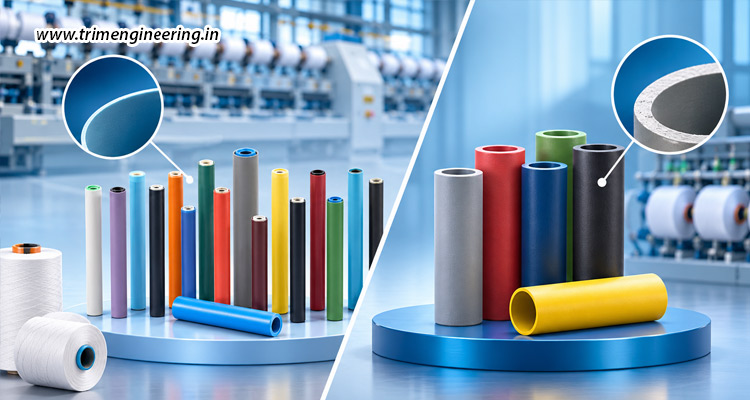
Single-use cops are intended for one winding cycle and are suitable for applications where the cop does not need to be used repeatedly. They are available in the 0.7 mm to 0.8 mm thickness range, making them appropriate for processes where repeated handling and reuse are not required.
Multi-use cops, on the other hand, are designed for repeated winding operations. They are available in the 0.8 mm to 1.5 mm thickness range, providing specifications suited to applications where the same cop is expected to be used across multiple cycles.
The distinction is therefore not simply about thickness. Intended usage is the primary factor, while thickness is one of the specifications associated with each category. When selecting between the two, manufacturers should consider whether the winding process requires single-use or repeated use, along with the machine, yarn, and application requirements.
Application considerations
The application in which the cop will be used is another important consideration. Metal cops are relevant to DT machines and synthetic yarn winding machines, so the selection process should begin by identifying the equipment and winding application involved. The same general type of cop may not be suitable for every operating requirement. Machine compatibility, yarn characteristics, winding requirements, and the intended usage pattern should all be considered before selecting a particular specification. This becomes particularly relevant in applications involving synthetic yarns and high-tenacity yarns. LOY and nylon are among the high-tenacity yarn applications for which metal cops are used. In such applications, selecting the appropriate cop requires attention to the requirements of the yarn and the winding process rather than relying on a generic cop specification.
Operational considerations
Choosing between single-use and multi-use cops should begin with the intended winding process, machine requirements, and expected frequency of use. Single-use cops, available in the 0.7–0.8 mm thickness range, are suitable when the cop is intended for one winding cycle and does not need to withstand repeated use. Multi-use cops, available in the 0.8–1.5 mm range, are designed for applications where repeated winding cycles are required. Their selection should consider the machine, yarn, application, and expected operating conditions. Thickness alone should not determine the choice. Instead, manufacturers should first establish whether the process requires single or repeated use and then select a cop specification that aligns with those requirements. This approach helps ensure that the cop is appropriate for its intended winding application.
Single-use or multi-use: Which should you choose?
There is no universal answer because the appropriate choice depends on the requirements of the winding process. A single-use cop is worth considering when the production process requires a cop for one winding cycle and does not depend on repeated use. A multi-use cop is more appropriate when the same type of cop needs to support multiple winding cycles. The decision can therefore be approached through a few straightforward questions. Is the cop intended for one use or repeated use? What type of machine will it be used with? What type of yarn is involved? What thickness specification is appropriate for the application? And does the selected cop correspond to the requirements of the winding operation? For businesses looking for a reliable COPS manufacturer in India, Trim Engineering provides metal cops suited to different winding requirements and applications.
Single-use and multi-use cops serve distinct requirements in yarn winding applications. Single-use cops are intended for one winding application, while multi-use cops are designed for repeated use. Their thickness ranges also differ, with single-use cops available in 0.7–0.8 mm and multi-use cops in 0.8–1.5 mm. These specifications should be considered alongside machine compatibility, yarn characteristics, and the intended winding process. For DT machines, synthetic yarn winding, and high-tenacity yarns such as LOY and nylon, selecting the appropriate cop category is important. The right choice is not necessarily the thickest option, but the one whose intended use, thickness, and application match the requirements of the winding process.