In modern textile manufacturing, efficiency and precision are not driven solely by large machinery or advanced automation, but also by smaller yet essential components that facilitate smooth material handling. One such vital component is the spool. Often underestimated, spools are crucial in yarn processing, affecting everything from production speed to the quality of the final product. Whether utilized in twisting, doubling, or winding systems, the design and function of a spool have a direct effect on operational efficiency. This blog delves into the role of a spool in textile machinery, and the different types employed in various industrial applications.
What is a spool?
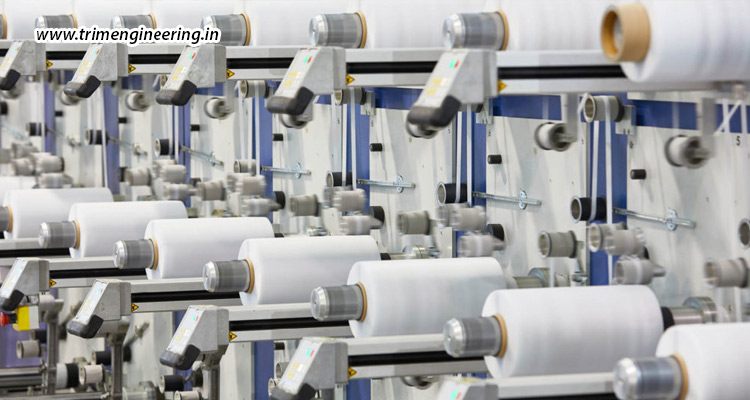
A spool is a cylindrical element designed to hold, wind, and guide yarn, thread, or similar materials throughout textile operations. It generally features a central barrel with flanges on one or both ends to secure the material in place. In industrial environments, spools are meticulously designed to facilitate continuous operations at high speeds. Unlike simple winding tools, textile spools are built to endure mechanical stress, rotational forces, and fluctuating yarn tensions without sacrificing performance. They are extensively used in processes like:
- Twisting, where multiple yarn strands are combined to enhance strength
- Doubling, which merges yarns for consistent thickness
- Winding, for transferring yarn between packages
- Yarn handling and storage, ensuring organized and damage-free movement of materials.
The role of spools in textile machinery
- Yarn winding and storage
The main function of a spool in textile machinery is to wind the yarn in an organized and controlled manner. Proper winding ensures uniform distribution of the tension with minimal tangling and breakage. It also ensures efficient storage. A well-designed spool also allows the yarn to be unwound smoothly during subsequent processes, maintaining consistency in production.
- Maintaining tension control
Uneven tension can lead to defects like yarn breakage or irregular thickness of the yarn winding, which ultimately results in inconsistency in the fabric. Tension control is thus critical in textile manufacturing. Spools help regulate tension by providing a stable base for winding and unwinding operations. Their geometry and surface finish play a key role in ensuring controlled yarn flow.
- Ensuring yarn protection
Spools are designed to protect the yarn from external damage, environmental factors, and mechanical stress during handling. This is especially important for delicate or high-value yarns used in specialized applications.
- Supporting high-speed operations
Modern textile machines operate at high rotational speeds. Spools used in such environments must be dynamically balanced and able to maintain structural integrity even under stress, while resisting vibration, because even minor imbalances can lead to machine wear, reduced efficiency, and compromised product quality.
- Enabling process continuity
In large-scale production, spools contribute to smooth, uninterrupted operations by supporting long production cycles. A well-spun spool can allow quick yarn transfer between the stages, reducing the need for frequent manual intervention. This directly influences machine uptime and productivity.
Industrial importance of spools
While spools may seem like simple components, their industrial significance is substantial. They serve as a critical link between different stages of textile production.
- Impact on product quality
The quality of yarn winding affects the final textile output. Poorly designed or low-quality spools can result in uneven yarn layers and increased defects, which can result in reduced fabric strength. But, precision-engineered spools ensure consistency, which is essential for maintaining high product standards.
- Contribution to operational efficiency
Efficient spool performance leads to faster processing speeds, reduced machine stoppages, and lower maintenance requirements. All of this translates into higher productivity and cost savings for manufacturers.
- Adaptability across industries
Spools are not limited to traditional textile applications. They are also used in rope manufacturing, industrial yarn production, cable and wire industries, and tire cord processing. This versatility makes them indispensable across multiple industries.
Types of textile spools used in industrial applications
Different textile processes require different spool designs. The choice of spool depends on factors like yarn type, machine speed, and application requirements. Below are the most commonly used types of spools in industrial settings:
- Plastic spools
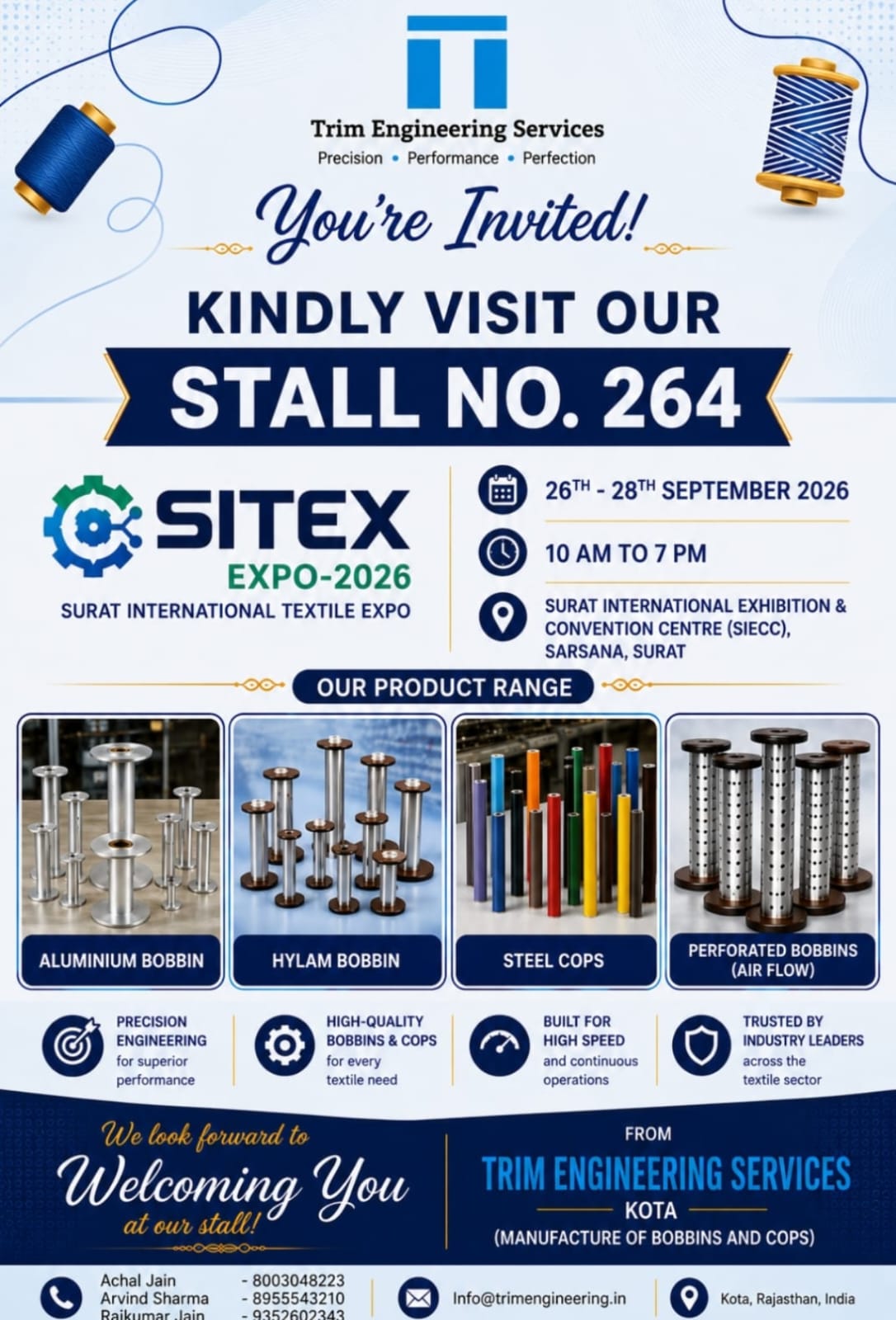
Plastic spools are lightweight, corrosion-resistant, and cost-effective, making them suitable for standard textile processes like yarn winding and storage. They reduce machine load and are ideal for medium-speed operations, though they may not perform well under high loads or high-speed conditions.
- Metal spools
Metal spools offer high strength, durability, and precision, making them ideal for high-speed and heavy-duty applications such as twisting, doubling, and industrial yarn production. They provide long service life and stability but are comparatively heavier and more expensive.
- Flanged spools
Flanged spools feature raised edges that prevent yarn from slipping, ensuring better winding stability and control. They are widely used in high-speed operations like twisting and doubling, where consistent yarn handling is essential.
- Perforated spools
Perforated spools are designed with airflow openings that aid in drying and cooling, making them suitable for wet processes like dyeing. They help reduce moisture retention and improve yarn quality in specialized applications.
Choosing the right spool for your application
Selecting the right spool is critical for achieving optimal performance. Several factors must be considered for the same, such as:
- Material compatibility: Different yarn types require different spool materials. For example, delicate yarns may benefit from smoother surfaces, while high-tension yarns require stronger materials.
- Machine specifications: Spools must be compatible with the machinery in terms of size, dimensions, rotational speed capacity, and mounting mechanisms.
- Load and speed requirements: High-speed operations demand precision-balanced spools made from durable materials that can help resistant vibration.
- Environmental conditions: Factors like humidity, temperature, and exposure to chemicals can influence spool selection.
When selecting the right spool for your application, it is equally important to work with an experienced SPOOL manufacturer in India, like Trim Engineering, known for precision engineering, customization capabilities, and reliable performance in demanding textile applications.
Spools are much more than mere winding components; they are essential elements that underpin the entire textile production process. From regulating yarn tension to facilitating high-speed operations, their function is intricately woven into contemporary manufacturing systems. Understanding the roles and types of spools helps make knowledgeable choices that boost productivity, minimize downtime, and guarantee consistent product quality. Whether opting for plastic or metal, or selecting specialized designs like flanged or perforated spools, the correct choice can significantly impact operational success. Thus, investing in the right spool solutions is not merely a technical choice, but a strategic one, for sustained efficiency and quality.