In the production of rope yarn and cables, every element is important, particularly the often-neglected bobbin. Although it may appear simple, the design, size, and material of a bobbin play a crucial role in influencing yarn behaviour, machine performance, and the quality of the final product during heavy-duty twisting processes. Selecting the right bobbin involves more than just considering its diameter or length; it necessitates a comprehensive understanding of the yarn type, weight, machine specifications, winding dynamics, balance, and operating conditions. The right bobbin guarantees efficient production, minimizes downtime, and upholds consistent quality. This guide delves into the best practices for bobbin selection in rope and cable applications, addressing materials, sizes, styles, and essential operational factors.
Why bobbin selection matters in rope yarn and cable production
Rope and cable twisting processes are significantly different from conventional textile spinning or weaving, as they typically involve heavy or coarse yarns, high-tensile-strength materials, and rapid twisting mechanisms, which lead to increased package weight and considerable centrifugal forces. These factors impose specific requirements on the bobbin, necessitating outstanding mechanical strength to endure taut yarn tension, precise dynamic balance for stable operation at elevated RPMs, and a proper fit to avoid wobbling and vibration. Moreover, the bobbin material must be resistant to abrasion and deformation to ensure sustained performance over time. Utilizing an incorrect bobbin can result in yarn breakage, machine vibration, reduced operational efficiency, and diminished product quality. Thus, choosing the appropriate bobbin is essential for achieving smooth production and reliable outcomes in rope and cable manufacturing.
Key criteria for selecting bobbins in rope yarn and cable operations
Selecting a bobbin for heavy yarn and cable is a deliberate process. The following factors are crucial:
Bobbin size
Bobbin diameter and length influence the volume of yarn packages, the distribution of tension, and the effects of centrifugal forces. Larger diameters can enhance capacity but may also increase vibration, whereas smaller diameters help decrease weight and inertia. Longer bobbins can accommodate more yarn but need to align with machine clearance. Proper sizing guarantees smooth rotation, avoids interference, and facilitates continuous operations of high-tension ropes and cables.
Material selection
Choosing the right bobbin material guarantees optimal performance, longevity, and efficiency in the production of rope and cable.
- Nylon bobbins: Nylon bobbins are lightweight, resistant to impact, and economical, making them suitable for medium-speed operations and general synthetic yarns. Their lower inertia improves dynamic stability, and they can absorb minor shocks during the twisting process. However, extended use at high speeds may challenge nylon’s thermal stability, which can restrict performance in sustained heat conditions.
- Phenolic bobbins: Phenolic bobbins provide high rigidity, heat resistance, and outstanding dimensional stability, making them ideal for high-speed twisting and heavy-load applications. They retain their shape and performance even under significant tension and high temperatures, making them perfect for demanding rope and cable operations that require structural integrity.
- Plastic bobbins: Plastic bobbins are adaptable, lightweight, and can be easily melded into custom shapes, making them suitable for mid-range operations and intricate geometries. They offer a lower cost and decreased machine load, performing effectively when moderate strength is adequate and budget constraints are a consideration.
- Aluminium bobbins: Aluminium bobbins merge an excellent strength-to-weight ratio with resistance to corrosion, making them ideal for high-speed, high-load cable production. They provide superior thermal dissipation and durable surfaces, making them a favoured option for heavy-duty rope and cable manufacturing.
Flange style
Flanges manage the edges of yarn during the winding process. Single flange bobbins are ideal for operations where yarn guidance occurs externally. Double flange bobbins secure heavy or thick yarns at both ends, preventing any wandering under high tension. For twisting ropes and cables, double flange designs are favoured to ensure stability of the package, smooth operation, and a lower risk of machine disruptions.
Core design
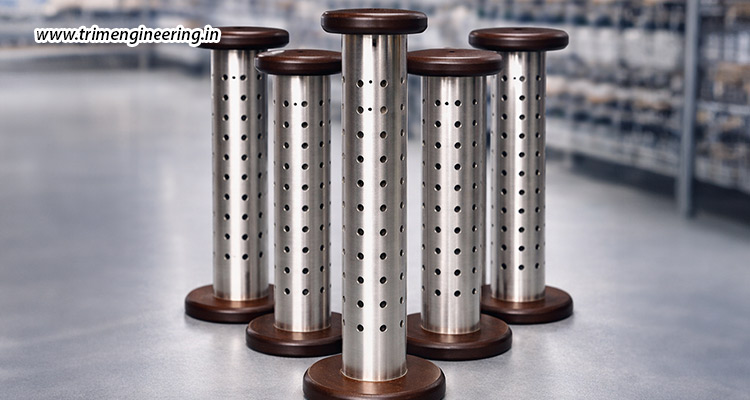
Solid bobbins provide maximum strength for heavy loads, while perforated designs help reduce weight, enhance airflow, and improve heat dissipation. The perforations also assist in minimizing dynamic imbalance at high speeds. Selecting the appropriate core type optimizes machine performance, safeguards yarn integrity, and ensures consistent and efficient production in challenging rope and cable twisting settings.
Dynamic balance & precision engineering
Bobbins function at high speeds, with varying tension and fluctuating accelerations, making dynamic balance essential. Unbalanced bobbins can lead to vibration, noise, and wear. Precision manufacturing, symmetrical design, and uniform weight distribution are crucial. Well-engineered bobbins uphold machine stability, protect yarn quality, and enable efficient, uninterrupted operations in rope and cable twisting.
Matching bobbin characteristics to machine requirements
Different rope and cable machines necessitate particular bobbin characteristics to guarantee performance, stability, and efficiency.
- Twisting machines
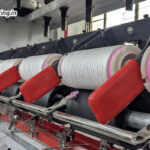
Rope twisting machines apply significant longitudinal forces on yarns, requiring bobbins with stable flanges and sturdy construction. They need to support heavy yarn packages while being meticulously balanced to reduce vibration, ensuring smooth operation, less wear, and consistent yarn tension throughout rigorous twisting processes.
- Cable twisters
Cable operations frequently involve thicker, multi-strand yarns that demand bobbins capable of withstanding high torque loads. Durable materials such as aluminium or phenolic are favoured, and adequate package volume is crucial for extended production runs, ensuring consistent tension and minimizing the need for frequent changeovers in high-demand cable manufacturing.
- TFO twisting machines
TFO machines necessitate smooth yarn feeding with minimal slip, making the surface finish of bobbins vital. The ideal bobbins are moderately weighted for dynamic balance and may feature perforations to alleviate heat buildup, ensuring stable high-speed operation, precise twisting, and a reduced risk of yarn damage during continuous production.
Custom bobbins: When standard isn’t enough
Although many rope and cable operations can utilize standard bobbins, custom designs provide enhanced performance for non-standard yarns, distinct machine geometries, high-speed processes, or continuous production that necessitates larger package capacities. Custom bobbins can be tailored to fit specific machine requirements, improve material selection, and incorporate advanced flange profiles for accurate yarn management. Partnering with a specialized BOBBIN manufacturer in India, like Trim Engineering, guarantees that these custom designs are perfectly aligned with operational needs while ensuring durability, performance, and efficiency, enabling manufacturers to maintain smooth, uninterrupted production even in challenging rope and cable twisting scenarios.
Choosing the right bobbin for rope yarn and cable twisting tasks necessitates thorough evaluation of size, material, flange design, balance, and compatibility with machines. Each of these elements influences yarn performance, production efficiency, and the quality of the final product. Heavy loads, high speeds, and continuous tension require sturdy bobbins that reduce the risk of breakage and minimize downtime. Grasping these attributes enables manufacturers to choose between standard or custom designs that meet specific machine needs, yarn varieties, or high-performance uses. Partnering with a knowledgeable bobbin manufacturer guarantees access to precision-engineered nylon, phenolic, aluminium, perforated, and custom bobbins that enhance stability, durability, and operational dependability.