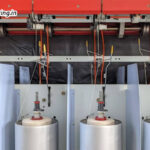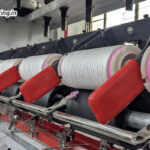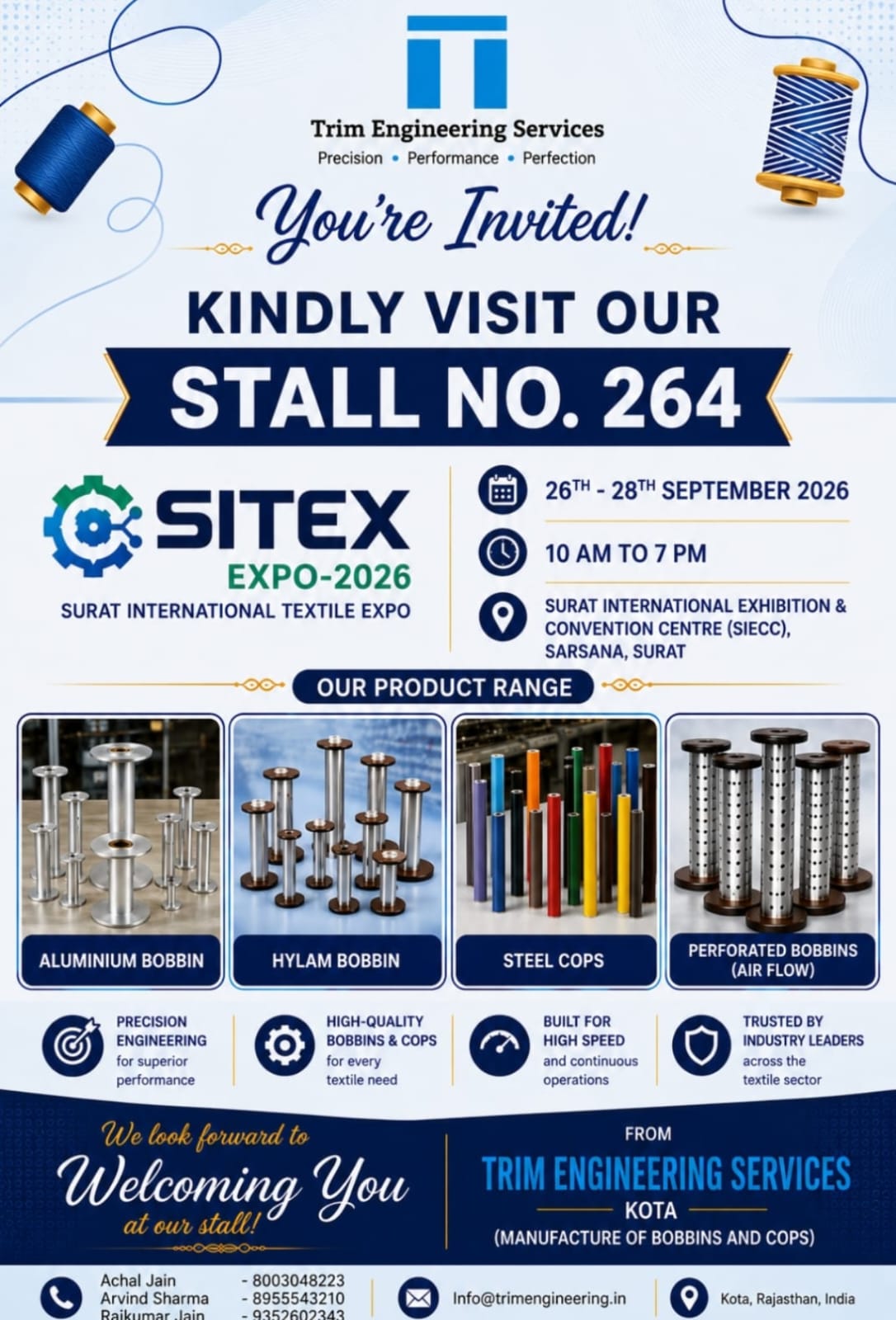
In contemporary textile production, efficiency relies not just on sophisticated machinery but also on vital supporting elements like bobbins. These components are crucial in operations such as twisting, doubling, braiding, and rope manufacturing, as they carry and deliver yarn seamlessly during high-speed processes. While standard bobbins can accommodate many uses, specialized machines and unique yarn types frequently necessitate custom-designed bobbins. These are crafted to align with specific machine geometries, speeds, and yarn properties. By fine-tuning dimensions, materials, and structural design, custom bobbins ensure consistent yarn tension, reduce breakage, and enhance operational stability, making them essential for achieving dependable performance in specialized textile production settings.
Why custom bobbins are crucial in specialized textile machinery
Textile machines vary significantly in spindle sizes, rotational speeds, yarn handling methods, and production conditions. While standard bobbins may suffice for general purposes, specialized machines often require tailored solutions that meet precise operational demands, like those below.
- Compatibility with machines
Every textile machine features distinct spindle sizes, mounting systems, and operational speeds. A bobbin must align perfectly with these specifications to prevent imbalance or misalignment. Consequently, custom bobbins are designed according to machine blueprints, spindle sizes, and mounting configurations, ensuring smooth integration with existing machinery.
- Yarn type specifications
Different types of yarn exhibit varying behaviours during the processes of winding and unwinding. For instance, nylon tire cord yarn requires strong and stable bobbins, while silk and delicate yarns need smooth surfaces, and rope yarn and cable fibres require larger and heavier bobbins. Customization guarantees that the bobbin design accommodates the unique mechanical and tension properties of each yarn type.
- High-speed operation
Many contemporary textile machines function at exceptionally high rotational speeds. Even a minor imbalance in a bobbin can result in machine vibrations, inconsistent yarn tension, and accelerated wear on machine parts. Custom bobbins are designed with exact tolerances and balanced configurations, ensuring seamless rotation during ongoing high-speed production.
- Enhanced production efficiency
An appropriately designed bobbin facilitates the smooth and consistent unwinding of yarn. This minimizes yarn breakage, reduces machine downtime, and prevents production delays. In high-volume manufacturing settings, such enhancements can significantly improve operational efficiency, and in turn, boost productivity.
Types of bobbins commonly customized for textile applications
Customization does not always imply creating entirely new shapes from the ground up. Instead, manufacturers typically modify existing bobbin types to accommodate specific machines and yarn processes. Below are several key bobbin designs that are often customized for industrial applications.
- Flange bobbins
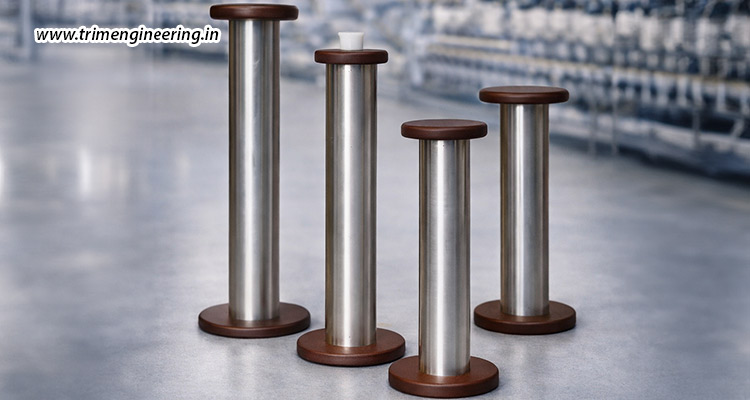
Flange bobbins are characterized by raised rims or ‘flanges’ located on one or both ends of the cylindrical body. These flanges assist in keeping yarn securely in position during both winding and unwinding. Flanged bobbins are extensively utilized in yarn twisting machines, doubling operations, and cable and rope twisting systems. The flanges prevent yarn from slipping off the sides of the bobbin, ensuring smooth and controlled unwinding even at high speeds. In custom versions, flange height, barrel length, and diameter can be modified to meet the specifications of particular machinery.
- Double flange bobbins
Double flange bobbins are designed with flanges at both ends of the bobbin body, offering improved stability for yarn packages. These designs are especially suitable for high-speed operations where yarn must remain securely contained. Such bobbins are commonly employed in TFO twisting machines, ring twisters, yarn doubling equipment, and braiding machines. The symmetrical design ensures balanced rotation, minimizing vibration and enhancing yarn handling efficiency.
- Perforated bobbins
Perforated bobbins feature small holes along the cylindrical body. These perforations offer several benefits – enhanced airflow, decreased overall weight, and improved heat dissipation. Perforated designs are particularly advantageous in processes where yarn may be subjected to heat, moisture, or drying operations. The holes facilitate better ventilation while preserving structural integrity. These bobbins are frequently customized to achieve the optimal balance between strength, weight reduction, and airflow efficiency.
- Metal bobbins
Metal bobbins, particularly those made of aluminium, are extensively utilized in high-demand textile processes. Aluminium presents numerous benefits, including a superior strength-to-weight ratio, remarkable durability, resistance to wear and corrosion, and enhanced heat dissipation. Due to their ability to be precisely machined, aluminium bobbins are perfect for the custom designs needed in high-speed twisting and rope-making machinery.
- Nylon and phenolic flange bobbins
Certain textile processes gain advantages from engineered polymer materials like nylon or phenolic. These materials offer lightweight performance, excellent impact resistance, and dimensional stability at high speeds. Nylon flange bobbins and phenolic bobbins are frequently employed in machines that necessitate lower inertia and smooth rotational movement.
Customization enables manufacturers to refine material selection based on criteria such as machine speed, load capacity, and the operating environment.
Designing custom bobbins: Key engineering considerations
Creating custom bobbins requires careful attention to various engineering aspects.
- Dimensional accuracy: Accurate machining is vital to guarantee that the bobbin fits seamlessly onto the machine spindle. Even minor dimensional discrepancies can lead to operational problems.
- Dynamic balance: Given that bobbins spin at high velocities, they must be dynamically balanced to avoid vibrations. Well-balanced bobbins enhance machine stability and prolong the lifespan of the equipment.
- Surface finish: An even surface finish helps to prevent friction or wear that could harm yarn fibres. Polished surfaces are typically utilized for delicate or high-value yarns.
- Structural strength: Bobbins need to endure mechanical stresses caused by rapid rotation and substantial yarn loads. Appropriate material selection and design geometry are essential.
- Custom geometry: Certain machines may necessitate bobbins with unique features, like altered flange shapes, reinforced cores, ventilation holes, and extended barrels. These geometric modifications ensure optimal compatibility with machine mechanisms.
Where custom bobbins are frequently required
Custom bobbins are extensively utilized across various textile segments, enhancing yarn handling, improving machine performance, and ensuring consistent production quality.
- Rope and twine manufacturing: Heavy-duty bobbins facilitate the winding and twisting of thick fibres essential for rope production.
- Tire cord production: Robust synthetic yarns utilized in tire reinforcement necessitate strong and stable bobbins.
- Silk and fine yarn processing: Smooth surfaces and lightweight materials are crucial for safeguarding delicate yarns.
- Jute and natural fibre industries: Specialized bobbin designs are tailored to accommodate the coarse texture and bulk of natural fibres.
- Braiding and cable twisting: The intricate machinery employed in these sectors frequently demands customized bobbin dimensions.
Despite their seemingly simple nature, bobbins are vital engineering components that significantly influence the efficiency and quality of textile production. While standard bobbins are adequate for general uses, specialized machinery often necessitates custom designs to fulfill specific operational requirements. By refining dimensions, materials, and structural characteristics, custom bobbins guarantee smooth handling and enhanced performance, thereby minimizing downtime and operational interruptions. For manufacturers in search of bespoke bobbin solutions for specialized textile machinery, collaborating with a seasoned BOBBIN manufacturer in India like Trim Engineering provides access to a diverse array of designs – including flange bobbins, perforated bobbins, metal bobbins, and tailored solutions crafted to satisfy specific industrial requirements.